

Personal injury counsel · Durham & Raleigh
They have adjusters. You have us.
Hurt in a crash in North Carolina? Talk to a lawyer today, not a call center. We tell you what matters next, and whether you need us at all.
Free and confidential. No fee until we win your case.
Since 2009Helping injured North Carolinians
You talk to a lawyer. Not a screener.
No fee until we win your case
English and Spanish
Start here
What happened to you?
Pick the closest match. Each guide shows what the insurer looks for, what to keep, and what to decide next.
All personal injury guidesHow it works
Four steps. No surprises.
You always know what is happening, why, and who is on it.
- 1 Tell us what happenedOne call. Free. No pressure to sign anything.
- 2 We dig inPolice report. Medical records. The policy. We read it all first.
- 3 We handle the billsWe negotiate the medical liens down. More of the money reaches you.
- 4 We push for a fair offerLowball offer? We keep negotiating. You approve every number.
Your legal team
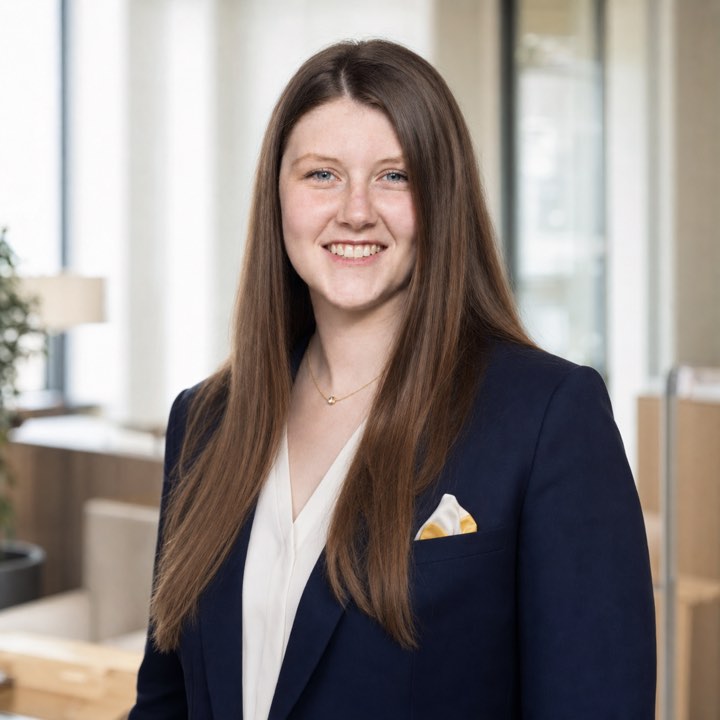
Meet your lawyer. Then call them.
Every client gets their lawyer's direct line and email. Your questions go to a person, not a queue.

Results
Featured cases
Every case is different, and past results do not guarantee a similar outcome. These are some of the matters we have resolved for clients.
- $1,900,000 Wrongful Death
The at-fault driver failed to reduce speed and collided with our client's vehicle. Our client passed away shortly after the collision.
- $900,000 Wrongful Death
Our client was thrown from his motorcycle and was pronounced deceased on the scene.
- $122,000 Car Accident
Vehicle made a left-hand turn, failing to yield the right of way.
Reviews
Hear what our clients have to say
We fight for the money you are owed. And we explain every step, so the decisions stay yours. Rated 4.9 out of 5 from 114 Google reviews
-
“A top-notch law firm”
My attorney, Ms. Kess Hendrix, was nothing short of outstanding. She has a vast knowledge of personal injury law and exceptional negotiating skills.
— Valerie J. -
“Never a second without information”
I was never a second without information, and they checked in with me on a regular basis. This team has a wonderful staff, and got me the best results for the case.
— Alexander G. -
“The most straight-up attorney”
I called just to confirm a few details about my situation and ended up talking with the most straight-up attorney I've ever had the pleasure of meeting. I absolutely loved the transparency.
— Red -
“I want to brag about my experience!”
When my 4-year old son and I were involved in a terrible head-on collision, I wasn't sure where to turn. Wallace Pierce has been great showing me the way!
— Mary P. -
“They went above and beyond for me!”
Mr. Pierce gave me practical advice and was very thorough in guiding me through the process. I left with a strong and positive impression of him.
— Audria L. -
“Willing to help you every step of the way”
Great Law Firm, Friendly Staff, Amazing Service. Willing to help you every step of the way.
— Jennifer G. -
“Thanking all of the Attorneys and Staff.”
I could not recommend anyone any higher than I recommend Wallace Pierce Law, they get the job done and they do it quicker and better and keep you informed along the way.
— Debby L. -
“Thank you again for all you did for my family”
They were concerned not only about getting our vehicle replaced, but more importantly my kid’s full recovery.
— Coral M. -
“Best experience ever!”
Everyone in the office kept me informed every step of the way. When I had a question they were right on it.
— Martinne D. -
“Richard Dingus is a great attorney!”
Richard Dingus is a great attorney! And I think the best, serving in the state of North Carolina. I would recommend him for injury and bodily claim any day.
— Isaac B. -
“They were working in our best interest”
We were very impressed with how professional they were and we always thought that they were working in our best interest.
— Victor W. -
“Very knowledgeable”
Was able to either point me in the right direction or answer any questions I had regarding the accident I was in. Thank you!
— Steven L.
Memberships & recognition

Firm news
Straight answers, from the attorneys
Written by the lawyers who handle the cases. Insurance, liens, and what happens after an injury in North Carolina.
Will my underinsured motorist claim be separate from the at-fault driver's liability claim? — Durham, NC
September 21, 2026Why does the vehicle ownership and household affidavit need to be notarized? — Durham, NC
September 21, 2026Why does an underinsured motorist insurer need an affidavit about vehicle ownership and household members? — Durham, NC
Free case review
Tell us what happened
A few sentences is enough. We will tell you straight whether you need a lawyer.
- Free, confidential case review
- No fee until we win your case
- English and Spanish
- (919) 313-2737
- jpierce@wallacepierce.com

